Get an Extra 15–20% Off Select Pairs
- Fortis Tower, 77-79 Gloucester Rd, Wan Chai, Hong Kong
- fashion@gripagoal.com

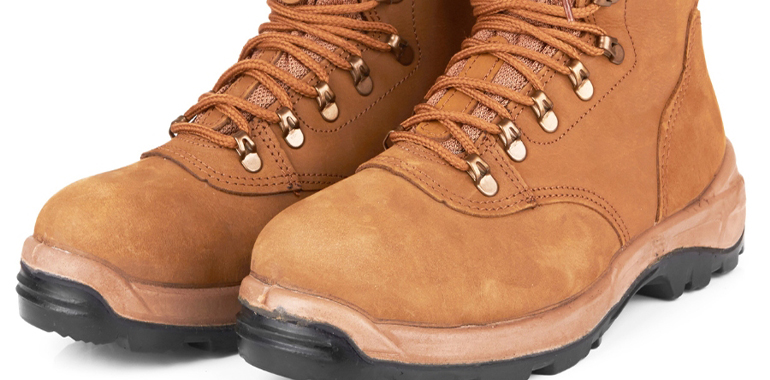
Why Expensive-Looking Shoes Don’t Have to Be Expensive
Have you ever noticed how a specific pair of shoes can completely change the way you carry yourself? You step into them, catch your reflection, and suddenly your entire outfit feels elevated. Many people tend to assume that achieving this polished, high-end look requires a massive hit to your bank account or a designer label stitched into the sole.
However, the secret to looking sharp isn’t about the price tag. It is about understanding the subtle details that tend to signal and timeless style. You can absolutely own the room without overspending if you know exactly what to look for.
The Myth of the Price Tag
We are often told that quality and high prices always go hand in hand. Marketing campaigns work hard to convince us that unless we spend a fortune, our footwear will look basic or fall apart. But in the modern world of fashion, that simply isn’t the case anymore.
Many affordable brands have mastered the art of construction and design, offering shapes that look nearly identical to those found in high-end boutiques. The expensive look is actually a visual language that combines clean lines, right materials, and a lack of unnecessary clutter.
When you stop focusing on the brand name and start focusing on the actual object, you begin to see where the value truly lies. An expensive-looking shoe is often just a well-designed shoe. It has a balanced shape, a consistent color, and a finish that doesn’t look plastic or cheap.
By shifting your mindset from how much something costs to how it looks and feels, you open up a world of stylish possibilities that fit comfortably within your daily budget. It is about being a savvy shopper who knows that style is a skill rather than just a purchase.
Material Choices That Elevate
The first thing the eye notices is the surface of the shoe. This is where many affordable shoes either win or lose. To get that high-end feel, stay away from materials that have a high-shine or plastic-like glisten. Instead, look for matte finishes or soft textures. Suede is a fantastic option because it naturally absorbs light and looks rich. Even high-quality faux suede provides a depth of color that smooth synthetics often struggle to match. A deep chocolate or charcoal suede loafer looks sophisticated and intentional regardless of the actual cost.
If you prefer a smooth look, seek out materials that have a slight grain or a soft, natural-looking dullness. Avoid anything that looks overly corrected or unnaturally uniform. Another great trick is to look for croc-embossed textures.
This classic pattern adds a layer of visual interest and architectural detail that traditionally signals a higher level of craftsmanship. Because the pattern is so iconic, the eye associates it with traditional shoemaking. By choosing the right texture, you are using visual cues to tell a story of quality without having to say a single word about the price.
The Power of a Sleek Silhouette
The shape of a shoe, which is often called the last, is a much important factor in how it is perceived. Cheaply made shoes often have bulky, rounded toes or clunky soles that tend to feel heavy and unrefined.
Expensive-looking footwear tends to have a more elongated and sleek profile. A pointed or slightly squared-off toe box immediately looks more modern and polished than a wide or blunt one. It creates a longer line for your leg and makes your entire shape appear more streamlined.
Pay close attention to the sole as well. A thin, leather-look sole is nearly always going to look more sophisticated than a thick, rubbery one. If you are buying boots or casual shoes, look for a welted look where the sole appears to be stitched to the upper part of the shoe. This detail suggests a level of durability and attention to detail that people associate with high-quality workshops.
Even if the stitching is purely decorative, it adds a layer of finished quality to the design. A slim and well-proportioned shoe acts as the foundation for your clothes, allowing your outfit to look cohesive and well-planned.
Neutral Colors and Minimal Detail
One of the easiest ways to make a shoe look more expensive is to choose the right color. Stick to a palette of neutrals such as black, tan, cream, navy, and also burgundy. These colors are classic for a reason because they hide wear well and they never go out of style.
Bright, trendy colors or neon accents can often make a shoe look young or temporary. A solid black Chelsea boot or a tan brogue is a staple that looks just as good with jeans as it does with a suit. These shades provide a sense of permeance and reliability.
Furthermore, less is nearly always more when it comes to hardware and decoration. Many lower-priced shoes try to compensate for a lack of quality by adding big buckles, shiny studs, or loud logos. These additions often have the opposite effect by making the shoe look busy and distracting.
A truly elegant shoe lets the shape and the material do the talking. Look for hidden zippers, tonal stitching that matches the fabric, and minimal metalwork. If there is hardware like a bit on a loafer, ensure it has a brushed or antique finish rather than a bright, yellowy gold. Simplicity is the ultimate sign of confidence in design.
Maintenance as a Style Tool
You could spend a thousand dollars on a pair of shoes, but if they are scuffed, dusty, and worn down at the heel, they will look cheap. Conversely, a twenty-dollar pair of shoes that is kept clean and polished will always look like it cost more than it did.
Taking a few minutes each week to wipe down your footwear and use a bit of matching polish can work wonders. It shows that you value your things and pay attention to the details of your presentation. This level of pride is what people actually notice when they look at your feet.
Replacing the heel caps or adding a slim rubber sole protector at a local shop is another way to extend the life and look of your shoes. When a shoe sounds solid on the pavement rather than hollow, it changes the perception of quality.
Keep your shoes in good shape by using shoe trees or even just stuffing them with paper to maintain their silhouette when you aren't wearing them. A well-maintained shoe retains its crisp lines and rich color, ensuring that your expensive look remains intact for months or even years to come.
Strategic Shopping and Smart Finds
Knowing where and when to look for your footwear is the final piece of the puzzle. You do not need to shop at high-end department stores to find great designs. Many middle-market retailers focus heavily on basics that mimic the look of heritage brands. Look for shops that prioritize classic styles over fast fashion fads. Often, these retailers use better-quality synthetic materials or recycled fibers that mimic the look of leather ideally but at a fraction of the cost.
Another great strategy is to look for outlet versions of reputable brands or wait for seasonal shifts when classic styles go on sale. However, even at full price, a well-chosen shoe from a standard mall brand can look incredible if you apply the rules of material, shape, and color.
By being patient and selective, you can build a collection of footwear that looks like it belongs in a high-fashion magazine. Your goal is to curate a wardrobe where every piece feels intentional and every shoe helps you put your foot forward with total confidence.

From boardrooms to trails, Gripagoal delivers footwear built for real life. Stylish, durable, and designed for the way you move.